
 |
 |
 |
 |
 |
Follow Us
User login
Labor Media


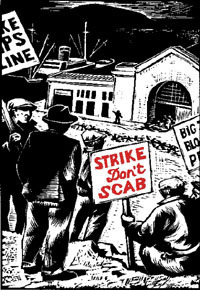
BART workers plan to strike Friday "We made concessions, but you can only bend so far before you break,"
Submitted by solidarity on Thu, 10/17/2013 - 22:23
BART workers plan to strike Friday
John Wildermuth, Michael Cabanatuan and Jill Tucker
Updated 8:00 pm, Thursday, October 17, 2013
•
Federal mediator George Cohen, center, arrives at the Nicholas C. Petris State Building to continue with the Bay Area Rapid Transit negotiations, Wednesday October 16, 2013, in Oakland, Calif. Photo: Lacy Atkins, The Chronicle
BART unions announced they planned to strike Friday after the two sides failed to reach an agreement during a marathon bargaining session that lasted nearly 30 hours.
Roxanne Sanchez, president of Service Employees International Union Local 1021, said Thursday afternoon that they met BART on its health care and pension requests, but the two sides still could not come to an agreement on pay and work conditions.
"We made concessions, but you can only bend so far before you break," Sanchez said. "This is the way they want to solve the conflict, in a fight, a street fight."
While the unions offered to settle the remaining unresolved issues through binding arbitration, BART management reportedly rejected that suggestion.
"It is a risk we would be taking," Sanchez said. "We'd rather take the risk than shut down the Bay Area."
However, she added, if BART management does not change its stance, the unions will walk.
"I'm sorry, I'm regretful. I don't know what to say to the public who have put such faith in the leadership and the (union workers)," she said. "The employer has been unwilling to reach an agreement or to settle these disputes without a strike."
Antonette Bryant, president of Amalgamated Transit Union Local 1555, which represents station agents and train operators, reiterated that the two sides were very close to an agreement.
"This is not a union strike," Bryant, said. "This is a management strike brought on by absolute arrogance."
BART General Manager Grace Crunican said there are certain rights that management needed to retain.
"The union decided they would take the money on the table, but not the work rules on the table," she said, adding that at that point, BART asked unions to take the offer to its membership for a vote.
Crunican said the offer remains on the table until Oct. 27 and, if approved, the deal would be retroactive to July 1. If a vote is taken after Oct. 27, the contract offer would no longer be retroactive.
BART's final offer included a 12 percent raise over four years and provisions that would have employees paying a 4 percent pension contribution and a 9.5 percent increase in their health-insurance contribution.
BART has maintained it needs to budget for costly systemwide improvements that include spending $15 billion over the next 15 to 20 years to replace 40-year-old railcars, upgrade a train control system and add a new train maintenance facility
The threat of a strike has loomed since Sunday, when a 60-day cooling-off period ordered by Gov. Jerry Brown expired. A federal mediator has been working with both sides since Sunday.
"Please understand we remain ready, willing and able to help the parties," said federal mediator George Cohen. "We are returning to Washington."
San Francisco Chronicle staff writer Henry K. Lee contributed to this report.
John Wildermuth, Michael Cabanatuan and Jill Tucker are San Francisco Chronicle staff writers. E-mail: jwildermuth@sfchronicle.com, mcabanatuan@sfchronicle.com,jtucker@sfchronicle.com Twitter: @ctuan, @jilltucker
-

- Log in to post comments
- Printer-friendly version